
Tracing the historical evolution of gambling From ancient rituals to modern casinos
The Origins of Gambling: Ancient Civilizations
Gambling has roots that stretch deep into human history, with traces found in ancient civilizations such as Mesopotamia, Egypt, and China. Archaeological findings suggest that games of chance were prevalent as early as 3000 BCE, where people used rudimentary dice made from bones or stones. These games were often linked to religious rituals, indicating that gambling was not merely a pastime but also a way to commune with deities or seek favor. The act of casting lots or throwing dice was often seen as a method to divine the future. Today, you can explore exciting offerings at Casiny Casino New Zealand, which provides a modern take on this ancient pastime.

In ancient Egypt, the use of senet, a board game believed to be a precursor to modern gambling games, showcased the connection between strategy and chance. This game was played on a board, with pieces moved according to the throw of sticks or bones. It was during these early periods that the concept of luck versus skill began to emerge, laying the groundwork for future gambling practices. As trade expanded, so did the popularity of gambling, as merchants would wager on outcomes of various events.
Moving eastward, ancient China introduced a more structured form of gambling with the creation of keno and other betting games during the Han Dynasty. These games were often government-sanctioned and provided a way to fund state projects. Thus, gambling transitioned from informal gatherings to organized events, establishing its importance in society. The growth of these gambling activities is a testament to humanity’s enduring fascination with risk and chance, evolving alongside societal developments.
The Middle Ages: Gambling in Europe
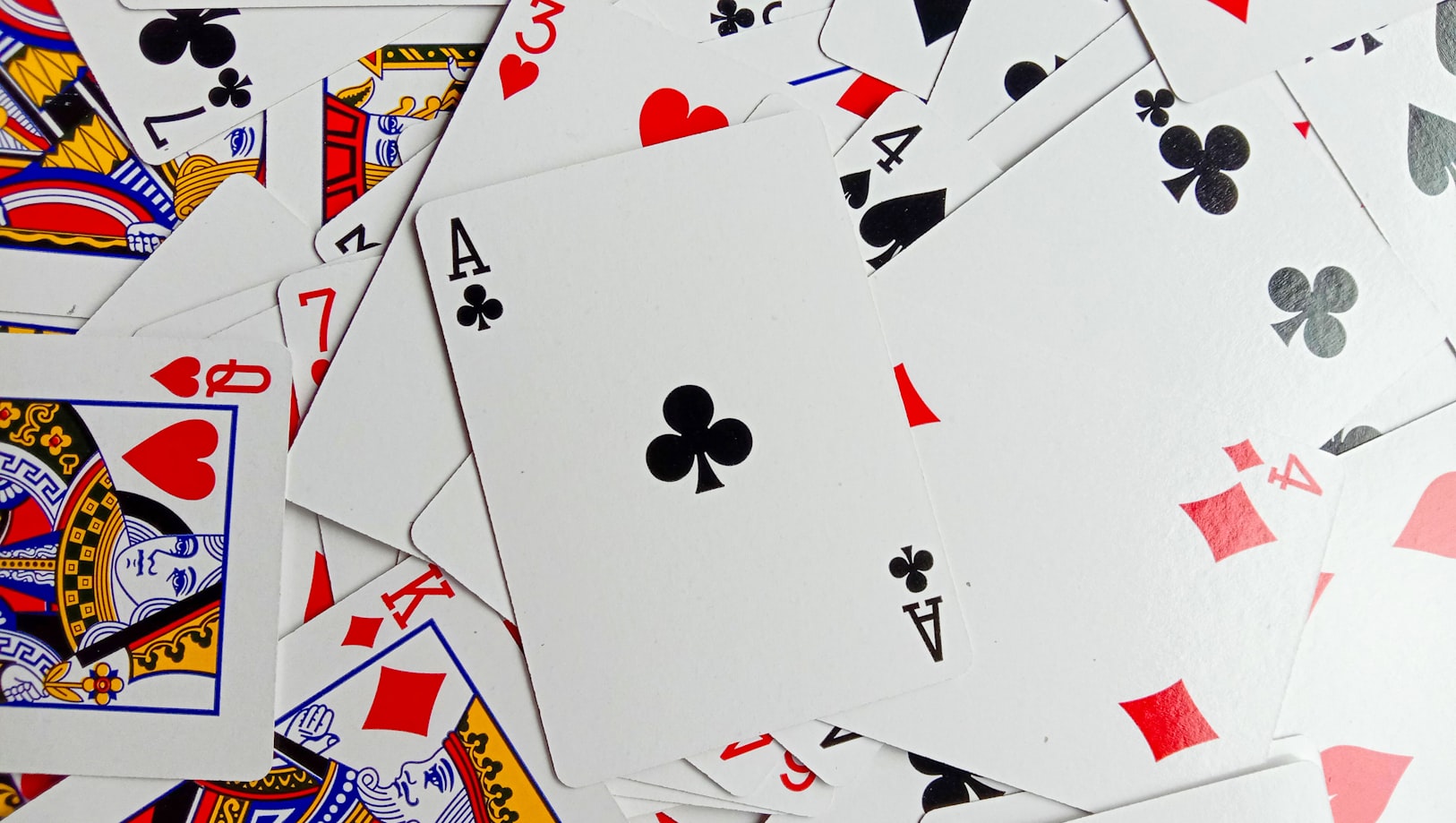
The Middle Ages marked a significant shift in the gambling landscape, particularly in Europe, where card games gained popularity. The introduction of playing cards in the 14th century offered a new medium for gambling, appealing to various social classes. As these games spread, they began to attract not just the nobility but also common folk, creating a culture of gambling that permeated social life. These card games often served as a form of entertainment in taverns and gatherings, solidifying gambling’s presence in everyday activities.
During this time, betting on events such as jousting and other sports became commonplace. The establishment of betting houses laid the foundation for the future of organized gambling, allowing individuals to place wagers on a variety of activities. These betting houses often operated without formal regulation, leading to a mix of legality and controversy. Yet, the popularity of gambling continued to grow, often seen as a way to elevate one’s social standing or gain wealth quickly.
As the Renaissance approached, the development of gambling regulations began to emerge, reflecting society’s changing attitudes towards chance and risk. Some regions imposed restrictions to curb the excesses associated with gambling, while others embraced it as a form of civic engagement. The dichotomy of gambling as both a social activity and a potential vice continued to shape its evolution, influencing legislative changes and public perception in the years to come.
The Rise of Modern Gambling: The 18th and 19th Centuries
The 18th century saw the birth of formalized gambling establishments, particularly in Europe and the United States. The establishment of casinos, such as the Casino di Venezia in Italy, marked a new era for gambling where elegance and sophistication became synonymous with the gaming experience. These establishments attracted the wealthy elite, offering a range of games from roulette to baccarat. The atmosphere in these casinos was carefully curated, creating an immersive environment that appealed to the senses and added a layer of excitement to gambling.
The 19th century brought about significant advancements in gambling technology, particularly with the invention of the slot machine. Initially referred to as “one-armed bandits,” these machines revolutionized gambling by providing an accessible and straightforward way for people to play. The automatic payout systems transformed the gambling scene, making it more appealing to a broader audience. As these machines became fixtures in bars and saloons, they contributed to the expansion of gambling beyond elite circles and into everyday life.
With the expansion of railroads and communication systems, gambling spread rapidly across the United States during this period. The Gold Rush of the mid-1800s led to a boom in gambling establishments, especially in boomtowns where fortunes were made and lost overnight. This democratization of gambling played a crucial role in shaping the culture and economy of the time, blending risk-taking with the American Dream. The public’s fascination with chance and luck further entrenched gambling as a popular form of entertainment.
The 20th Century: Regulation and the Casino Boom
The early 20th century introduced a wave of regulation aimed at curbing the excesses of gambling, as various governments sought to control its growth. The establishment of laws surrounding gaming operations transformed the gambling landscape, leading to the creation of legal frameworks that would govern casinos and betting houses. This period saw the rise of Las Vegas as the ultimate gambling destination, epitomizing the allure and excitement associated with casinos. The combination of entertainment, luxury, and gambling attracted millions of visitors, solidifying its status as a premier destination.
The legalization of gambling in several states during the 1930s, including Nevada, allowed for the establishment of lavish casinos that offered a variety of games under one roof. The glamour associated with these establishments was amplified by Hollywood, which romanticized gambling through film and media, further embedding it into popular culture. This synergy between entertainment and gambling catalyzed a transformation, making casinos more than just places to wager—they became destinations for leisure and social engagement.
By the late 20th century, the advent of online gambling marked another significant turning point. The Internet opened up a new frontier for gambling, allowing players to engage in games from the comfort of their homes. Online casinos proliferated, and the introduction of mobile gaming brought about unprecedented accessibility. This digital evolution not only expanded the reach of gambling but also changed the way individuals interacted with gaming, setting the stage for future innovations in the industry.
The Future of Gambling: Trends and Innovations
The future of gambling is poised for further transformation, driven by technological advancements and shifting societal attitudes. Virtual reality and augmented reality technologies are being integrated into gaming experiences, creating immersive environments that redefine how players engage with gambling. These innovations not only enhance the thrill of the game but also attract a new generation of players seeking unique experiences. The convergence of technology and gambling is transforming traditional gaming narratives, allowing for personalized and dynamic gameplay.
Moreover, as the conversation around responsible gambling continues to evolve, regulations are adapting to ensure player safety and transparency. Many jurisdictions are incorporating measures to promote responsible gambling practices, such as self-exclusion programs and limits on bets. This shift towards a more ethical approach to gambling reflects a growing awareness of the potential risks associated with gaming, aiming to balance entertainment with social responsibility.
In conclusion, as gambling moves further into the digital age, platforms like Casiny Casino New Zealand are redefining the gaming experience for players around the world. With a wide range of games, user-friendly interfaces, and support for various banking options, online casinos continue to innovate. As the industry evolves, maintaining a focus on player engagement and responsible gambling will be essential to ensuring a sustainable future for this age-old pastime.